Choosing a cosmetic tools manufacturer is more than comparing unit prices or polished catalogs. McKinsey’s 2023 beauty-market analysis estimated that the global beauty market could reach $580 billion by 2027. That growth makes dependable sourcing important, but market size alone does not prove a supplier’s ability. Buyers need evidence from the factory floor. A soft brush should keep its shape after repeated cleaning, and a ferrule should hold firmly without sharp edges. Small details matter.
For anyone asking “what should you look for in a cosmetic tools manufacturer,” start with material traceability, documented quality checks, production capacity, and clear sample procedures. W. Edwards Deming, a leading manufacturing quality expert, wrote, “Quality comes not from inspection, but from improvement of the production process.” His principle fits this decision: ask how defects are prevented, not only how finished products are inspected. Request samples, review relevant test records, and clarify how the manufacturer handles changes in materials or specifications. Samples tell the truth. Sometimes, imperfectly. A supplier can deliver an excellent sample and still struggle with a larger order, so verify capacity and communication before committing. These seven tips will help you assess craftsmanship, consistency, customization, delivery, and service with practical questions—not promises alone. Even experienced buyers can miss a detail. Reflect on what your customers will actually notice: a smooth handle, even bristles, clean packaging, or a tool that still feels dependable months later.
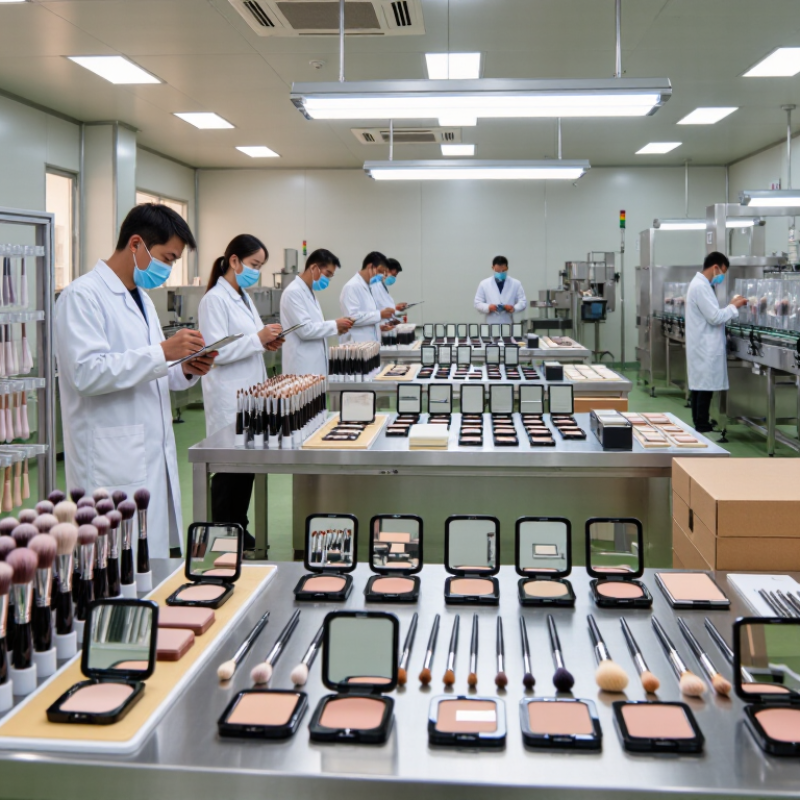
Before contacting a cosmetic tools manufacturer, define what the tool must do in everyday use. A mascara wand, blending sponge, and stainless-steel tweezers have very different performance needs. Note the product’s intended users, application area, expected frequency of use, and cleaning routine. Small details matter.
Write down practical specifications, not just appearance preferences. For a brush, record head shape, bristle length, handle dimensions, and how firmly the head should stay attached. For a metal tool, clarify the material, edge finish, and acceptable dimensional variation. If the tool touches sensitive skin, ask how materials and finishes are evaluated for that use. Request samples, then check them under ordinary working conditions: wet hands, bright lighting, and repeated cleaning can reveal issues that a product photo hides. A ruler helps. So does a simple inspection checklist.
Consider packaging and production needs early. A delicate applicator may need a protective cap, while a bulky handle can affect shipping and storage. Share target order quantities and any testing or documentation your business expects, so the manufacturer can explain what is feasible. It is tempting to specify every detail before seeing a sample; sometimes that creates needless cost. Leave room to revise. Record what feels wrong, even if the concern seems small, such as a handle that becomes slippery after washing.
Look beyond a polished catalogue when checking a cosmetic tools manufacturer. Ask how long its team has made comparable items, such as powder brushes, lash tools, or stainless-steel tweezers. Can they explain material choices, assembly steps, and common failure points without vague claims? Specific answers matter. Request dated inspection records and samples from a current production run, not only a hand-finished showroom piece. Compare bristle shedding, ferrule alignment, handle finish, and edge smoothness under consistent lighting. Small defects show.
Product quality needs evidence. Review the manufacturer’s written checks for incoming materials, in-process inspections, and final testing. Ask how they track batches and handle a failed sample. For tools that touch skin, request material specifications and relevant safety or irritation-test documentation; check what each report actually covers. A certificate alone may not confirm that the tested item matches your order. Test samples under realistic conditions: clean them as instructed, repeat the intended motion, and inspect joints afterward. Record results across several units. One flawless sample can feel reassuring; it is weak evidence on its own. Ask how recurring defects are corrected and whether production changes are documented.
A cosmetic tool touches skin, so material claims need evidence, not reassurance. The European Commission’s 2023 Safety Gate report recorded 3,412 product alerts; cosmetics made up 32% of notifications. These were not tool-only findings, but they underline why chemical-risk checks matter. Ask for the exact grade of stainless steel, silicone, or plastic, plus supplier declarations and relevant test reports. An SDS helps, but it does not prove a finished tool is safe for its intended use.
Tip 1: Match materials to use. A spatula, brush handle, and eyelash curler face different wear and cleaning conditions. Tip 2: Request test reports for the finished product, not just raw materials. Tip 3: Check skin-contact testing where relevant, and confirm that methods fit the tool’s intended use. Tip 4: Verify which destination-market rules apply; requirements vary. Keep the paperwork. It gets messy.
Tip 5: Ask how the factory controls material changes and production batches. Tip 6: Review its quality procedures and audit records; a certificate alone is not proof of consistent output. Tip 7: Inspect pilot samples under real conditions. Look for rough seams, flaking coatings, loose bristles, and sharp edges. Then record findings and request corrective evidence. Some suppliers may resist. That hesitation deserves a question, not an assumption.
Choosing a cosmetic tools manufacturer requires more than checking a catalog. Compare actual production capacity with your forecast. Ask how many units the factory can produce monthly, and whether that figure includes other customers’ orders. Request recent output records or a sample production schedule. A large number on a sales sheet means little if polishing, assembly, or quality checks become bottlenecks. Small details matter.
Discuss customization in practical terms. Confirm which handle shapes, materials, colors, finishes, and packaging can be changed without new tooling. Ask about tooling costs, minimum order quantities, sample fees, and approval steps for color or fit. Request a physical sample before approving bulk production; screen images can hide uneven edges or a loose ferrule. Keep specifications in writing. Still, overly detailed requests can slow development, so separate essential features from nice-to-have changes.
Scrutinize lead times by comparing sample development, material sourcing, production, inspection, and shipping as separate stages. Ask what happens if a component arrives late, and whether the manufacturer provides dated progress updates. Build a buffer before a launch or seasonal promotion. A quick quote is useful, but delivery history offers stronger evidence. No plan is perfect. Even careful estimates can shift when materials or rework intervene; I leave room for dates to move, because schedules rarely behave as neatly as spreadsheets.
| Tip | What to Compare | Useful Checks and Evidence | Planning Guidance |
|---|---|---|---|
| 1. Verify production capacity | Monthly output for the specific product type, such as makeup brushes, sponges, or metal grooming tools. | Ask for the available line capacity, current utilization, production schedule, and a recent output record for a comparable order. | Compare confirmed capacity against your peak-month demand, not just the supplier’s stated maximum output. |
| 2. Check minimum order quantities | Minimum order quantity (MOQ) by product, color, size, and packaging configuration. | Request a written MOQ breakdown and confirm whether different colors or designs require separate production runs. | MOQs vary by materials, tooling, and process; compare the total order commitment, including packaging and spare components. |
| 3. Assess customization capability | Available options for shape, material, color, handle, logo application, and retail packaging. | Ask which options are made in-house, which are outsourced, and whether artwork, color references, or technical drawings are required. | Separate standard options from custom tooling or mold work, which can add development time and cost. |
| 4. Compare sample and approval stages | Prototype availability, sample charges, revision limits, and production-sample approval process. | Confirm whether samples use final materials and decoration, and agree on written acceptance criteria before bulk production. | Allow time for sample shipping, review, and revisions; a sample approval is not a substitute for final quality checks. |
| 5. Get a clear lead-time breakdown | Development, material sourcing, production, inspection, and shipping timelines. | Request separate estimates for each stage, the date the schedule starts, and the conditions that could change the delivery date. | Lead times depend on product complexity, order volume, material availability, and shipping method; compare stage-by-stage timelines rather than one total estimate. |
| 6. Review quality controls | Incoming-material checks, in-process inspections, final inspection, and defect-handling procedures. | Ask for the inspection checklist, sample inspection records, product specifications, and the process for corrective actions or replacements. | Agree on measurable requirements—such as dimensions, color reference, finish, and packaging—before approving the order. |
| 7. Confirm communication and delivery terms | Response times, order updates, shipping arrangements, and clearly defined commercial terms. | Identify the primary contact, confirm how schedule changes are reported, and review the quotation, payment milestones, and agreed delivery terms. | Use a written order schedule with approval dates, production milestones, inspection timing, and the named party responsible for freight arrangements. |
Planning note: These are comparison criteria, not guarantees or supplier-specific performance claims. Request current, product-specific quotations and supporting records before placing an order.
A low unit price can look attractive, but check what the quote includes. Ask for a breakdown covering samples, tooling, packaging, shipping, and minimum order quantities. Compare the same specifications across suppliers, including handle material, dimensions, and finish. Otherwise, a cheaper quote may simply leave out important costs. That matters.
Communication is easier to judge with a practical question. Send a drawing or product specification and ask how the manufacturer will confirm measurements before production. Notice whether the reply addresses details or stays vague. Ask for specifics. A clear sample-review process, named contact, and realistic response times can prevent avoidable delays. Keep key decisions in writing, even when calls feel quicker. A tidy spreadsheet helps, but it cannot reveal every production difficulty.
After-sales support deserves the same scrutiny as the initial quote. Ask how defects are documented, what evidence is needed, and whether replacement parts or corrective batches are available. Request the warranty terms and expected response time in writing. Check whether support continues after delivery, not only while an order is being negotiated. Policies may differ by product and order size, so avoid assuming one promise covers every situation. Some details will still be uncertain; record those gaps before committing.
Example evaluation scores for comparing manufacturers. Rate each criterion from 1 (weak) to 5 (strong) using documented quotes, communication records, and service terms.
These illustrative scores are a sample framework, not industry benchmarks. Replace them with scores based on your own supplier research.
Describe the tool’s users, application area, use frequency, and cleaning routine. A mascara wand and metal tweezers need different specifications.
Record the head shape, bristle length, handle dimensions, and attachment strength. Also note how the handle feels after washing.
Test it with wet hands, bright lighting, and repeated cleaning. Use a ruler and inspection checklist. Photos can miss small flaws.
Ask how materials and finishes are evaluated for the intended use. Some details may remain unclear, so write down your concerns.
Request a breakdown for samples, tooling, packaging, shipping, and minimum order quantities. Compare matching specifications, not just unit prices.
Send a drawing and ask how measurements will be confirmed before production. Look for specific answers, a clear sample-review process, and realistic response times.
Ask how defects are documented and what evidence is required. Confirm whether replacements or corrective batches are available after delivery.
Written records clarify specifications, response times, and warranty coverage. Policies can vary by product and order size. A spreadsheet helps, but it cannot predict every production issue.
Choosing the right cosmetic tools manufacturer begins with a clear understanding of your product requirements, including the tools you need, expected quantities, and desired level of customization. When considering what should you look for in a cosmetic tools manufacturer, assess its relevant experience, product quality, and ability to provide consistent results. Ask about the materials used, how product safety is evaluated, and which standards and regulatory requirements apply to your target markets.
It is also important to compare production capacity, minimum order quantities, customization options, and realistic lead times. Look beyond the quoted price to understand what is included and whether the terms are transparent. Finally, evaluate how promptly and clearly the manufacturer communicates, and what support is available after delivery. A careful comparison across these areas can help you choose a dependable manufacturing partner that fits your needs and expectations.