Makeup brushes play a crucial role in our beauty routines. However, many users overlook their proper maintenance. Dr. Emily Chen, a renowned beauty expert, emphasizes this point: "The longevity of your brushes directly affects your skin health." This brings us to the essential question: how often should you replace makeup brushes?
Experts generally recommend replacing makeup brushes every 3 to 6 months. However, this timeline may differ based on usage. If you notice frayed bristles or a change in texture, it's time for a change. Brushes that are used daily might need replacing sooner.
Hygiene is another concern. Dirty brushes can harbor bacteria, leading to skin issues. Regular cleaning is essential, but even the best care won't last forever. Investing in high-quality brushes is wise, but remember that they, too, have a lifespan. Ultimately, understanding how often should you replace makeup brushes is key to maintaining both your beauty and skin health.
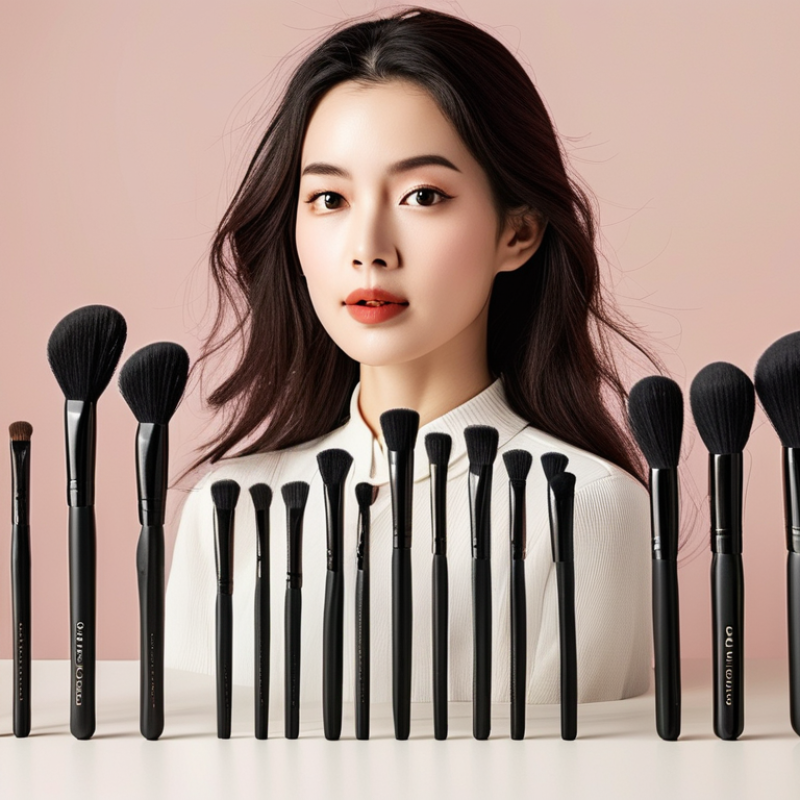
Understanding the Importance of Replacing Makeup Brushes
Makeup brushes are essential tools for applying cosmetics effectively. However, they are often overlooked when it comes to hygiene. Understanding the importance of replacing these brushes is a crucial step in maintaining skin health and achieving the desired look.
Brushes accumulate product residue, oils, and bacteria over time. This buildup can lead to skin issues like acne and irritation. Even with regular cleaning, some brushes degrade, losing their effectiveness. Experts suggest replacing brushes every three to six months. This ensures optimal performance and reduces the risk of skin problems.
Regularly assess your brushes for wear and tear. Check for frayed bristles or changes in texture. If they no longer apply makeup smoothly, it may be time for a replacement. Investing in new brushes enhances your makeup application. It also boosts confidence, as you know you're using clean, efficient tools.
China Top 10 Tips on How Often to Replace Makeup Brushes
| Brush Type |
Recommended Replacement Frequency |
Signs of Wear |
| Foundation Brush |
Every 6-12 months |
Fraying bristles, uneven application |
| Powder Brush |
Every 1-2 years |
Bristles losing shape, shedding |
| Blush Brush |
Every 1-2 years |
Dull color application, bristle damage |
| Eyeshadow Brush |
Every 6-12 months |
Loss of pigment, rough texture |
| Eyeliner Brush |
Every 6-12 months |
Frayed tip, uneven lines |
| Lip Brush |
Every 1-2 years |
Bristles losing their shape |
| Fan Brush |
Every 1-2 years |
Fraying edges, ineffective application |
| Concealer Brush |
Every 6-12 months |
Crusting, uneven blending |
| Stippling Brush |
Every 1-2 years |
Flattened bristles, ineffective stippling |
Factors Influencing the Frequency of Brush Replacement
The frequency of replacing makeup brushes is pivotal for maintaining skin health. Several factors influence how often you should toss your old brushes for new ones. The primary consideration is usage frequency. If you wear makeup daily, your brushes accumulate product, oil, and bacteria faster. Professional artists often replace brushes every month, given their high demand.
Brush type also plays a role. Natural hair brushes are generally less durable than synthetic ones. Over time, bristles can become frayed or lose their shape. If you notice changes in texture or application, it might be time for a change. Regular cleaning helps but does not eliminate the wear and tear that comes with time.
Overall, your skin's reaction to makeup can guide you. If you notice breakouts, irritation, or uneven application, reassess your brush condition. Keeping track of how each brush performs can inform your replacement schedule. Recognizing these signs can prevent larger issues down the road.
Signs That Indicate It's Time to Replace Your Makeup Brushes
Makeup brushes are essential tools for achieving a flawless look, but they require regular upkeep. Signs indicating it's time to replace your makeup brushes include visible wear and tear. If bristles fray or fall out, this is a clear indicator. Brushes that lost their original shape can lead to uneven application. In fact, a survey by the American Academy of Dermatology found that 50% of users don’t replace their brushes regularly, which can lead to skin irritation.
Unpleasant odors from your brushes are another sign of neglect. Bacteria can accumulate, increasing the risk of breakouts. Dirty brushes can harbor germs that cause infections, according to data from the Journal of Cosmetics, Dermatological Sciences and Applications. To maintain healthy skin, establish a routine for both cleaning and replacing brushes.
Tip: Replace your brushes every 3 to 6 months, especially for those used with liquid products. Synthetic brushes typically last longer than natural hair brushes. Regularly assess your brushes and prioritize their condition for better skin health and makeup application. Remember, investing in your brushes is investing in your skin.
China Top 10 Tips on How Often to Replace Makeup Brushes
Recommended Replacement Schedule for Different Brush Types
When it comes to makeup brushes, the right replacement schedule is crucial. Experts agree that the lifespan of your brushes varies significantly. For foundation brushes, it's advisable to replace them every six months. The frequent use of liquids can lead to product build-up and bacteria growth. A study by the American Academy of Dermatology revealed that dirty brushes can harbor harmful germs.
Eyeshadow and eyeliner brushes typically require replacement every one to two years. The delicate nature of these brushes means they can wear down quickly. If you notice bristles falling out or changes in texture, it may be time to reflect on their condition. Replace your lip brushes annually. Color residue can accumulate, potentially causing skin reactions.
The quality of the brush also plays a role in longevity. Synthetic brushes tend to last longer than natural hair brushes. Monitor your brushes closely. If they feel rough or don’t perform well, replacing them sooner might be necessary. Regular inspections help maintain hygiene and enhance application quality. Remember, even with industry guidelines, personal habits can vary, and brushes may require different care based on usage.
Tips for Proper Care to Extend the Life of Makeup Brushes
Proper care of makeup brushes
is essential for maintaining their quality and longevity. Studies indicate that about 67% of makeup users do not wash their brushes regularly, risking skin health and makeup application. To extend the life of your brushes, it is crucial to clean them at least once a week.
This routine not only eliminates residual makeup but also prevents the buildup of bacteria.
Using a gentle soap or a specialized brush cleaner can effectively remove dirt without damaging the bristles.
After washing, reshape the bristles and lay them flat to dry. This method prevents water from entering the ferrule, which could lead to brush damage. Experts recommend replacing brushes every six months to two years, depending on usage frequency. However, if the bristles start to fray or lose shape, it might be time for a change.
Many users often overlook subtle signs of wear. Splayed or scratchy bristles indicate that brushes are past their prime. Additionally, the inability to blend makeup smoothly can signal that a brush has lost its effectiveness. Regular care and observance of these details can significantly impact both the appearance of makeup and the health of your skin.
FAQS
: It's recommended to replace them every three to six months for optimal hygiene and performance.
Look for frayed bristles, changes in texture, or loss of shape. Unpleasant odors are also a red flag.
Yes, dirty brushes can lead to bacteria growth, causing skin irritation or even breakouts.
Foundation brushes should be replaced every six months due to product build-up and bacterial risk.
No, eyeshadow brushes last about one to two years, while lip brushes should be replaced annually.
Yes, synthetic brushes generally last longer and may be easier to maintain than natural hair brushes.
If brushes feel rough or apply makeup poorly, consider replacing them sooner than scheduled.
Cleaning is essential, but brushes also need regular replacement to avoid skin issues.
Ignoring it can lead to skin problems and ineffective makeup application, so regular assessment is key.
Establish a routine for cleaning and inspecting brushes. Regular checks ensure optimal performance and skin health.
Conclusion
When considering how often should you replace makeup brushes, it's essential to understand the critical role these tools play in maintaining skin health and achieving flawless makeup application. Regular replacement helps prevent the buildup of bacteria, which can lead to skin issues. Several factors influence the frequency of replacement, including the type of brush, how often it's used, and individual hygiene practices.
Signs that indicate it’s time to replace your brushes include frayed bristles, loss of shape, and difficulty in cleaning. Depending on the type of brush—such as foundation, eyeshadow, or powder—the recommended replacement schedule may vary. Generally, it's wise to replace foundation brushes every six months, while eyeshadow and powder brushes can last up to a year with proper care. To extend the life of your brushes, routine cleaning and gentle handling are essential.
