When exploring the beauty industry, one often wonders: **what is the difference between synthetic and natural makeup brushes**? Experts in the field offer great insights. Renowned makeup artist Kevin James Bennett states, “Choosing the right brush can elevate your makeup game to new heights.” His words highlight the importance of understanding brush materials.
Natural brushes, made from animal hair, provide a soft touch and excellent pigment pickup. They are favored for their ability to blend products seamlessly. However, they require special care and may not be suitable for everyone. On the other hand, synthetic brushes, crafted from man-made fibers, are versatile and often more durable. They excel in applying liquid and cream products without absorbing excess product.
Despite the clear advantages of each type, the choice can feel overwhelming. Many consumers struggle to determine which brushes align with their needs. Both types have unique characteristics that demand careful consideration. Thus, it becomes essential to reflect on individual preferences and makeup styles. Understanding **what is the difference between synthetic and natural makeup brushes** can lead to a more informed choice, ensuring a flawless makeup application every time.
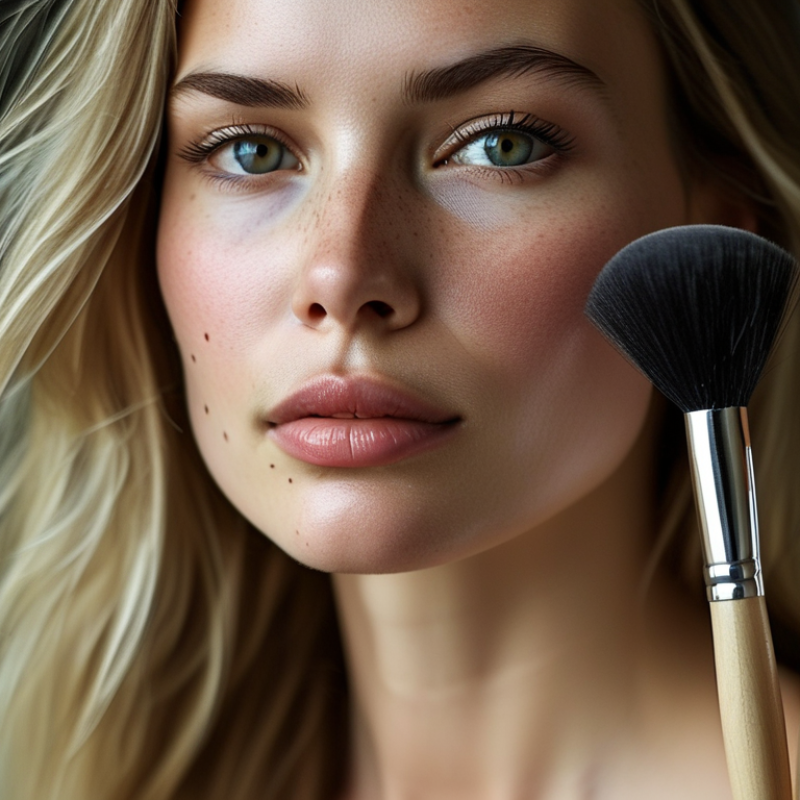
Types of Makeup Brushes: Synthetic vs. Natural
When choosing between synthetic and natural makeup brushes, it's vital to understand their distinct characteristics. Synthetic brushes, often made from nylon or polyester, are excellent for applying cream products. They tend to be more durable and easier to clean, making them a popular choice among professional makeup artists. A recent industry report indicated that 72% of makeup artists prefer synthetic brushes for liquid foundations, highlighting their efficiency in product application.
On the other hand, natural brushes are made from animal hair, like squirrel or goat. They excel at blending powders due to their soft bristles. However, they require more care and can be more expensive. According to a survey, 68% of users switch to synthetic brushes after experiencing issues with shedding or maintenance of natural ones. While natural brushes provide a luxurious feel, their performance can vary based on the quality of the hair used.
Both types have their pros and cons. For instance, natural brushes can feel rougher on sensitive skin. Synthetic brushes can sometimes leave streaks with certain products. Users should consider their preferences and application techniques. Balancing quality and functionality is key in deciding which brush is the right fit for individual needs.
Materials Used in Synthetic Makeup Brushes
When discussing synthetic makeup brushes, it's essential to understand the materials used. Synthetic brushes typically combine nylon, polyester, or other man-made fibers. These materials serve specific purposes, offering a unique experience compared to natural brushes. They are often more affordable and easier to clean, and they can work well with liquid or cream products.
For those seeking a vegan or cruelty-free option, synthetic brushes are often the better choice. They don't come from animal sources, making them more ethical for environmentally conscious users. However, some users feel synthetic fibers lack the softness and blendability of natural bristles. This can lead to a less seamless application, requiring additional effort to achieve the desired look.
**Tips**: Always check the brush density. A denser brush can pick up product more effectively. Also, consider the length of the bristles; longer bristles can create a lighter application, while shorter bristles provide more control. Experimenting with different brushes will help you find your perfect match. Don't shy away from trying both synthetic and natural brushes to discover what works best for you.
Materials Used in Natural Makeup Brushes
Natural makeup brushes are made from animal hair, such as squirrel, goat, or pony hair. These materials are known for their softness and ability to blend makeup seamlessly. For instance, a study by the Cosmetic Brush Association reveals that natural bristles absorb product better, resulting in a more flawless application. This characteristic can be particularly beneficial for powder products, where picking up the right amount is crucial.
However, sourcing animal hair raises ethical concerns. The process may involve practices that some consumers find troubling. Synthetic brushes, made from nylon or polyester, offer a cruelty-free alternative. While they are often less expensive and easier to clean, some users report they can lack the same softness and blendability as natural hair. A survey by Beauty Industry Insights found that 47% of makeup artists preferred natural brushes for professional work, highlighting the preference for traditional materials.
Moreover, natural hair brushes can be more delicate. They require careful handling and maintenance. Improper cleaning can lead to the bristles losing their shape. In contrast, synthetic brushes are more durable and resistant to damage. Balancing quality, ethics, and artistry remains a challenge for many beauty enthusiasts today.
Performance and Application Differences
When it comes to makeup application, the choice between synthetic and natural brushes can significantly impact performance. Synthetic brushes are typically made from nylon or polyester fibers. These materials are often more durable and easier to clean. They work well with liquid and cream products. This makes them a go-to for many makeup artists. However, some users may find that synthetic brushes feel less soft against the skin.
On the other hand, natural brushes use animal hair from various sources, such as goat or squirrel. These fibers are known for their softness and ability to blend products seamlessly. They are ideal for powder formulations, providing a more airbrushed finish. Despite their superior blending capabilities, natural brushes require more care. They can be more prone to damage if not maintained properly. Users should consider the upkeep involved.
In practice, preferences can vary. Some opt for the easy maintenance of synthetic brushes while others swear by the luxurious feel of natural options. Ultimately, the choice hinges on personal preferences and application needs. Experimenting with different types allows for a better understanding of what works best for individual skin types and styles.
Care and Maintenance Tips for Both Brush Types
When it comes to caring for makeup brushes, the approach differs for synthetic and natural types. Synthetic brushes are generally easier to clean. They are made from nylon or polyester, making them resistant to stains and bacteria. Regular cleaning with mild soap and warm water can keep them in top shape. Just remember to reshape the bristles after washing to maintain their form.
Natural brushes, often made from animal hair, require a bit more attention. They are more delicate and can absorb oils from your makeup. This can lead to buildup over time. To clean them, use gentle shampoo or brush cleaner, and let them dry flat. Avoid soaking them completely, as this can damage the glue that holds the bristles.
Both types of brushes benefit from regular maintenance. Create a cleaning schedule to avoid neglect. Set boundaries for how long you want to use brushes before they need a wash. It’s easy to forget about this crucial step. Not cleaning your brushes can lead to skin issues—a reflection of how overlooked this aspect can be. Taking the time to care for your tools can enhance your makeup application and prolong the life of your brushes.
What is the Difference Between Synthetic and Natural Makeup Brushes? - Care and Maintenance Tips for Both Brush Types
| Brush Type |
Material |
Usage |
Care Instructions |
Lifespan |
| Synthetic |
Nylon or polyester fibers |
Liquid and cream products |
Wash with mild soap and water; air dry |
2-5 years |
| Natural |
Animal hair (e.g., goat, squirrel) |
Powder products |
Wash with gentle shampoo; reshape and dry flat |
5-10 years |
| Hybrid |
Combination of synthetic and natural fibers |
Versatile for both liquid and powder |
Wash with soap; avoid excessive heat |
3-7 years |
FAQS
: Natural makeup brushes are made from animal hair, like squirrel, goat, or pony hair.
Natural bristles absorb product better, leading to a more flawless application, especially with powder products.
Sourcing animal hair can involve troubling practices that some consumers find unethical.
Synthetic brushes are generally more durable and work well with liquids, but may feel less soft.
Natural brushes need careful cleaning to maintain shape, avoiding soaking to protect the bristle glue.
Yes, synthetic brushes are easier to clean and resist stains and bacteria better than natural brushes.
Regular cleaning is important. Create a schedule to ensure brushes don’t get neglected.
Neglected brushes can lead to skin issues, reflecting how important proper maintenance is.
Many users enjoy the luxurious feel and superior blending of natural brushes for their makeup application.
Yes, many beauty enthusiasts face challenges balancing quality and ethical considerations when choosing brushes.
Conclusion
When exploring the question of what is the difference between synthetic and natural makeup brushes, it's important to understand the distinct types and materials used in each. Synthetic brushes are typically made from man-made fibers such as nylon or polyester, which offer a smoother application and are often more durable and easier to clean. In contrast, natural brushes are crafted from animal hair, providing excellent pigment pickup and a more luxurious feel on the skin.
Performance and application vary significantly between the two; synthetic brushes excel with cream and liquid products, while natural brushes are ideal for powders. Proper care and maintenance are essential for both types, with synthetic brushes usually requiring less delicate handling than their natural counterparts. Understanding these differences can greatly enhance one's makeup application experience.
