Makeup brushes quietly shape every application. Their soft bristles blend foundation, blush, and powder with greater control. Yet daily use exposes them to oil, pigment, moisture, friction, and bacteria. Without consistent care, even expensive brushes can become rough, misshapen, or unpleasant to use. Learning how to make makeup brushes last longer protects both your beauty routine and your budget.
Professional makeup artist Bobbi Brown has often emphasized, “The right tools can make all the difference.” That idea applies beyond choosing a brush. Proper cleaning, careful drying, and sensible storage preserve the tool’s performance. A brush should be washed regularly, but not soaked above the ferrule. Water can loosen the adhesive and cause shedding. Use lukewarm water, a gentle cleanser, and your fingertips. Then reshape the bristles and place the brush flat on a clean towel. Never dry it upright while water remains near the handle.
Small habits matter. Keep brushes away from steamy bathroom shelves. Store them in a ventilated holder, not inside a damp makeup bag. Separate eye brushes from cream-product brushes when possible. Cream formulas leave heavier residue. They may require more frequent washing. A little patience helps.
Still, perfect maintenance is unrealistic. I sometimes delay washing a brush after a busy morning. That lapse is worth noticing, not hiding. A simple weekly cleaning reminder may work better than an ideal routine you never follow. This guide explains practical methods, common mistakes, and replacement signs, so your brushes stay cleaner, softer, and useful for longer.
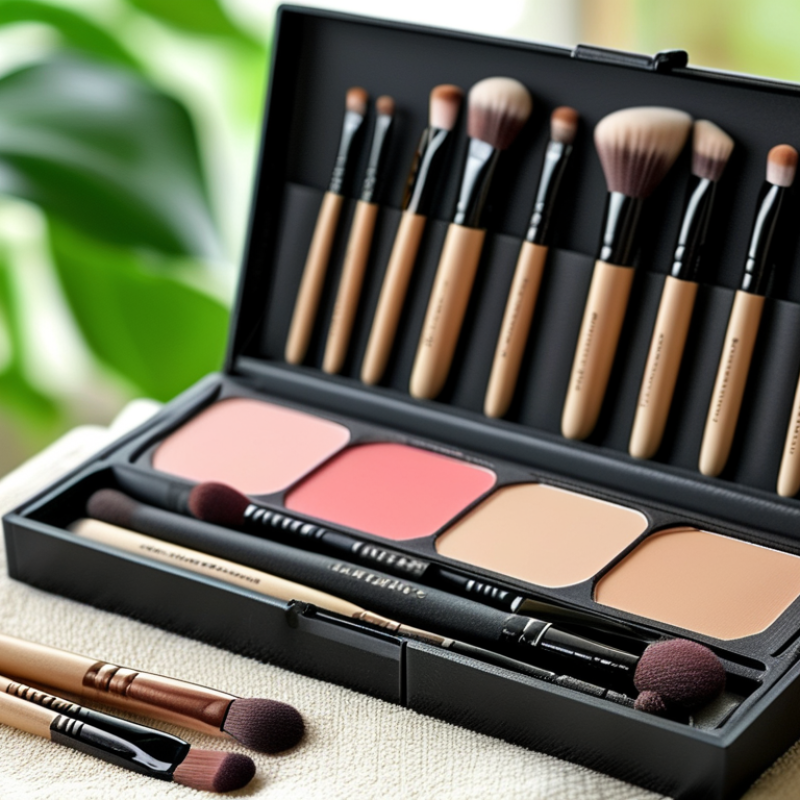
Choose Durable Makeup Brushes and Store Them Correctly
Top Tips on How to Make Makeup Brushes Last Longer?
Choose brushes with tightly secured handles, dense but flexible bristles, and smooth ferrules. A well-made brush should feel balanced in your hand, not loose or rattling. Synthetic fibers often resist frequent washing and dry faster, making them practical for cream products. Natural fibers can feel soft, but they may need gentler care. Check the construction carefully. A low price is not always a saving.
In my experience, proper storage prevents more damage than occasional cleaning. Wash brushes every one to two weeks, depending on use, with lukewarm water and mild cleanser. Keep water below the ferrule, because moisture can loosen the adhesive inside. Press out water with a clean towel, reshape the bristles, and dry brushes flat with the heads extending beyond a counter edge. Never dry them upright while wet.
Storage matters daily. Keep clean brushes in a covered, breathable holder away from steam, dust, and direct sunlight. Avoid overcrowding them, since bent bristles may not recover fully. I once stored several damp brushes together and noticed a musty smell within days. That mistake changed my routine. Still, I sometimes leave one brush out after a rushed morning. Reliable care is not about perfection; it is about noticing problems early and correcting them. Inspect loose ferrules, shedding fibers, or cracked handles before they worsen.
Clean Brushes Regularly Without Damaging the Bristles
Top Tips on How to Make Makeup Brushes Last Longer?
Makeup brushes last longer when cleaning is gentle, not aggressive. The American Academy of Dermatology recommends washing brushes every seven to ten days. That interval helps remove oil, pigment, and skin debris before they harden between bristles.
A 2019 study in the Journal of Applied Microbiology found contamination in 70% to 90% of used cosmetic products. Beauty sponges showed contamination rates as high as 93%.
The numbers are uncomfortable. Clean tools protect both skin and brush structure.
Use lukewarm water and a small amount of mild, fragrance-free cleanser. Hold the brush with its bristles pointing downward. Wetting the handle joint can loosen the glue. Massage the cleanser through your palm, moving from the base toward the tips.
Do not twist, pull, or scrub sideways.
Rinse until the water runs clear.
Press out moisture with a clean towel, reshape the head, and dry it flat with the bristles extending beyond the counter edge. Never use hot air. It can make natural bristles brittle and synthetic fibers permanently uneven.
I used to soak brushes overnight. That was convenient, but careless. Some handles swelled, and several heads shed faster afterward. Shared brushes need more frequent washing, especially after cream products.
Replace a brush when it smells sour, keeps shedding, or feels rough after cleaning.
Use Gentle Products and Proper Washing Techniques
Makeup brushes last longer when cleaning removes residue without stressing the fibers. In my experience, strong dish soap made bristles feel dry and uneven. Choose a mild, fragrance-free cleanser for repeated washing. The American Academy of Dermatology Association recommends washing makeup brushes every seven to ten days. It suggests cleaning them more often after sharing tools or using liquid products. Dirty brushes collect oil, pigment, dead skin cells, and microorganisms. The U.S. Food and Drug Administration warns that contaminated cosmetics can cause infections, especially around the eyes.
Tip: Wet only the bristles with lukewarm water. Keep the ferrule and handle mostly dry. Add a small amount of cleanser to your palm. Swirl the brush gently, then massage from the base toward the tips. Do not twist or pull the fibers. Rinse until the water runs clear. Press out moisture with a clean towel. Reshape the head, then dry the brush flat with its bristles extending beyond a counter edge.
Tip: Clean eye brushes more frequently when irritation appears. The American Academy of Dermatology Association recommends replacing makeup products that change smell, color, or texture. The same warning applies to brushes with persistent odors or loose fibers. Never dry brushes upright while wet; water may seep into the ferrule and weaken the adhesive. I still sometimes rush this step. That habit shortens brush life. Gentle washing feels slower, but it protects the shape, softness, and performance of each tool.
Dry Brushes Safely to Preserve Their Shape
Top Tips on How to Make Makeup Brushes Last Longer?
Dry Brushes Safely to Preserve Their Shape
After washing a makeup brush, press it gently between clean towels. Do not twist the bristles. Twisting can loosen the hairs and distort the brush head. Keep water below the metal ferrule, where moisture can weaken the adhesive. I once left a brush soaking in a cup, and its handle later felt loose. That small mistake changed my cleaning routine.
Reshape the damp bristles with clean fingers. Follow their original outline rather than forcing a sharp point. Lay the brush flat on a dry towel, with the bristles extending slightly beyond the counter’s edge. Air can reach the entire brush head this way. Avoid drying brushes upright, because water may travel toward the ferrule. A well-ventilated room works better than a closed bathroom.
Skip hairdryers, radiators, and strong sunlight. Heat can make bristles brittle and affect the brush’s shape. Allow several hours of drying time, or leave the brush overnight when it feels thick or dense. Check the center of the brush, not only the surface. It may feel dry outside while remaining damp inside. I sometimes rush this step before applying makeup, but that habit needs more discipline. If the bristles look uneven after drying, reshape them gently and let them air-dry again. Never pull individual hairs into place.
Inspect, Maintain, and Replace Brushes When Necessary
A makeup brush can look clean while carrying dried foundation, oil, and dust. Inspect each brush weekly under bright light. Check the ferrule, handle, and bristles. Loose hairs, a cracked handle, or a wobbly metal joint signals trouble. I once ignored a small split near the ferrule. The brush shed into concealer within days. That mistake taught me to inspect tools before detailed application.
Wash brushes used with liquid or cream products every seven to ten days. Powder brushes may need cleaning every two weeks, depending on use and skin sensitivity. Use lukewarm water and a mild, fragrance-free cleanser. Keep water below the ferrule. Trapped moisture can weaken the adhesive. Rinse until the water runs clear. Press the bristles gently in a clean towel. Reshape them and dry them flat, with the tips extending beyond the counter. Never dry them upright while wet.
Maintenance cannot make an unsafe brush safe forever. Replace one when bristles stay stiff, smell unusual, or scratch the skin. Persistent discoloration deserves attention. A shedding brush can leave fibers near the eyes. Do not keep it for sentimental reasons. Replacement timing differs for everyone. Heavy daily use shortens a brush’s life, while careful storage may extend it. If irritation appears, stop using the brush and review both the tool and product. My routine improved after recording wash dates, although I still forget sometimes. A simple reminder helps.
Top Tips on How to Make Makeup Brushes Last Longer
Regular inspection, gentle cleaning, and timely replacement help preserve brush performance and support better hygiene. Wash brushes used with liquid or cream products about weekly, inspect them monthly, and replace them when the bristles shed, become rough, develop an odor, or no longer hold their shape.
Care guide: The intervals below are practical maintenance targets. Replacement is condition-based rather than determined by a fixed schedule.
Conclusion
Learning how to make makeup brushes last longer begins with choosing well-made brushes and storing them in a clean, dry place where the bristles will not be crushed or bent. Regular cleaning is also essential, but it should be done gently to remove makeup residue without weakening the fibers. Use mild cleansing products and lukewarm water, avoiding harsh chemicals, excessive rubbing, or soaking the brush handle for too long.
After washing, reshape the bristles and place the brushes flat or with the tips angled downward so water does not collect inside the handle. Allow them to dry completely before storing or using them again. Regularly inspect each brush for shedding, roughness, loose handles, or changes in shape. With careful cleaning, safe drying, and proper storage, brushes can remain comfortable and effective for a longer time. However, replacing damaged or unhygienic brushes when necessary is important for maintaining both performance and personal cleanliness.
