What Makeup Brushes Do Beginners Really Need?

Time:2026-07-03 Author:Mason
0%

When starting a makeup journey, it’s easy to feel overwhelmed. Many beginners often ask, "what makeup brushes do beginners need?" Understanding the essential brushes can make the process smoother. Quality brushes can enhance your application, ensuring a flawless look.

Beginner makeup artists should focus on versatility. A foundation brush, for instance, helps even out complexion. Additionally, a blending brush can effortlessly create dimension on the eyelids. These tools do not have to be expensive, but their functionality is crucial.

It’s important to remember that everyone’s needs differ. Some may find they need a detailed brush for eyebrows while others might prioritize a contour brush. Experimenting with various brushes can lead to personal preferences. Sometimes, what works perfectly can vary from person to person, making the journey unique yet reflective.
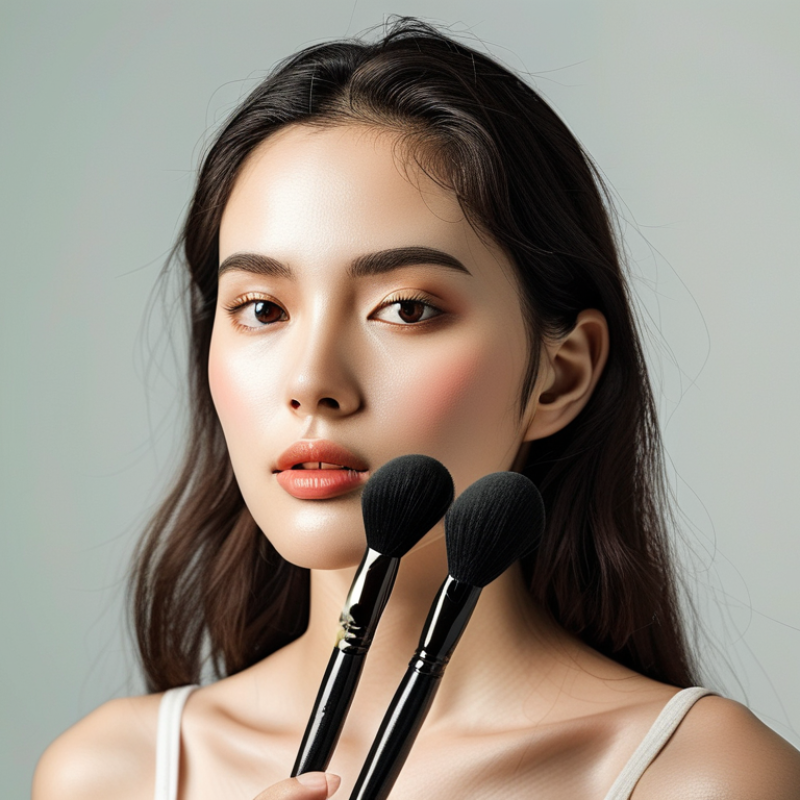
What Makeup Brushes Do Beginners Really Need?

Essential Makeup Brushes for Beginners

When starting your makeup journey, choosing the right brushes can be overwhelming. However, a few essential tools can help you create a flawless look. A foundation brush is crucial for even coverage. It allows for seamless application of liquid or cream products. You will notice how much smoother your base looks with the right tool.

An eyeshadow brush is another must-have. It helps in packing on color and blending shadows well. Opt for both a flat brush for precision and a fluffy brush for blending. Don’t forget a small pencil brush for detailing, especially for the lower lash line. These brushes give you control and versatility.

A good quality blush brush will enhance your cheekbones beautifully. It should be soft and tapered for even application. Remember, investing in quality brushes pays off in the long run. While it’s tempting to buy many brushes, focus on learning to use a few effectively. Practice makes perfect, and even experienced users still face hurdles. Each face is unique, and finding what works takes time and exploration. Enjoy the process and embrace the learning curve.

Understanding Different Types of Makeup Brushes

When diving into the world of makeup, understanding different types of brushes is essential. Beginners often face confusion over which brushes really matter. A 2020 survey showed that 75% of makeup users felt overwhelmed by the number of brushes available. This indicates a significant gap in understanding.

Essential brushes include the foundation brush, concealer brush, and blending brush. The foundation brush, often flat and dense, ensures an even application of foundation. This helps achieve a flawless base. The concealer brush, typically smaller, allows for precision in covering blemishes and dark circles. Blending brushes enhance the transition between colors, making eye makeup look professional. According to the Professional Beauty Association, 65% of makeup artists agree that blending is crucial for a polished look.

Many beginners might overlook the importance of maintenance. Dirty brushes can harbor bacteria, leading to skin issues. A 2021 study revealed that 40% of users do not clean their brushes regularly. This oversight can hinder makeup application and skin health. Using the right brushes with proper care transforms makeup routines from basic to beautiful.

How to Choose the Right Size and Shape of Brushes

Choosing the right size and shape of makeup brushes is crucial for beginners. A recent report from the Professional Beauty Association indicates that 70% of makeup application success relies on using the correct tools. This means that selecting brushes that fit your specific needs can significantly enhance your results.

When picking brushes, consider the shape. Flat brushes are ideal for applying foundation and concealer. They provide a broader surface area, allowing for even coverage. Meanwhile, tapered brushes are excellent for blending and highlighting due to their precise tip. A study showed that using the right brush shape can improve blending efficiency by 45%. This underscores the importance of understanding how different brush shapes correlate with makeup techniques.

Size matters as well. Smaller brushes work best for detailed work around the eyes. Larger brushes cover more surface area, suitable for face applications. However, beginners might find it challenging to balance size with control. It’s a common oversight to think larger brushes are always better for quick applications. In reality, untrained hands may create streaks. Learning proper application with various sizes can be a journey. Experimenting with different brushes will lead to improved skills over time.

Basic Brush Care and Maintenance Tips

Makeup brushes can be expensive and require attention. Knowing how to care for them is essential. Regular cleaning removes buildup and bacteria. Use lukewarm water and gentle soap for a deep cleanse. Swirl the brushes gently, avoiding the ferrule. Rinse until the water runs clear.

Drying is also crucial. Lay brushes flat on a clean towel. Avoid standing them up, as moisture can seep into the handle. It’s tempting to rush the process, but taking your time is worth it. Brushes will last longer with proper care.

Storage should be thoughtful. Keep brushes in a holder that protects their shape. Avoid tightly packed drawers; they need space. It’s easy to neglect them during busy days. Remember, well-cared-for brushes can enhance your makeup experience significantly.

Must-Have Tools for Makeup Application Beyond Brushes

When starting your makeup journey, it's easy to focus solely on brushes. However, several other tools are equally essential for a flawless application. A good sponge is a must-have. It helps blend foundation perfectly. When dampened, it creates a skin-like finish that brushes can't achieve. Plus, it's versatile for both liquid and cream products.

Another important tool is a brow pencil or gel. Well-groomed brows can make a huge difference in your overall look. Use short, light strokes for a natural finish. Take time to practice; perfect brows come with experience. Don't rush this step; it requires reflection and adjustment.

Setting sprays and powders are also crucial for longevity. They help your makeup last throughout the day. A setting powder minimizes shine and enhances your look. On the other hand, a setting spray is great for that fresh finish. Experiment with both to find your preferred feel. Remember, every tool enhances your skills, but it may take time to master them. Embrace your journey and enjoy creating!

Essential Makeup Brushes for Beginners

FAQS

: What are the essential types of makeup brushes for beginners?

: The foundation brush, concealer brush, and blending brush are must-haves for beginners. They help create a flawless look.

How do I properly clean my makeup brushes?

Use lukewarm water and gentle soap. Swirl the brushes, avoiding the ferrule, and rinse until the water runs clear.

Why is it important to maintain my brushes?

Dirty brushes can lead to skin issues and hinder application. Regular cleaning keeps your brushes in good condition.

What is the best way to dry makeup brushes?

Lay brushes flat on a clean towel. Don't stand them upright; moisture can seep into the handle.

What tools should I consider aside from brushes?

A good sponge is key for blending. Brow pencils and setting sprays also enhance your makeup application.

How can I achieve natural-looking brows?

Use a brow pencil or gel with short, light strokes. This technique requires practice and careful adjustment.

How do setting sprays and powders affect makeup longevity?

They help makeup last all day. Setting powders reduce shine, while sprays provide a fresh finish.

What can happen if I neglect my brushes?

Neglecting brush care can lead to bacteria buildup. This might cause skin problems and affect your makeup results.

Is it okay to rush the brush care process?

It’s not advisable. Rushing can lead to poor maintenance and shortened brush lifespan. Take your time.

How should I store my makeup brushes?

Keep them in a holder that protects their shape. Avoid tightly packed spaces to prevent damage.

Conclusion

When considering what makeup brushes do beginners need, it's essential to focus on a few key tools that facilitate a smooth and effective makeup application. Essential brushes include a foundation brush, a blending brush, and a small detail brush, each serving a specific purpose for achieving flawless results. Understanding the different types of brushes available helps novices to select the right ones; for instance, synthetic brushes are ideal for liquid products, while natural brushes work better with powders.

Choosing the right size and shape of brushes is also crucial, as it impacts the ease of application and the overall makeup look. Beginners should also be aware of basic brush care and maintenance tips to prolong the life of their brushes, such as regular cleaning and proper storage. Beyond brushes, must-have tools like sponges and brow tools can enhance the makeup experience, making them valuable additions to a beginner's toolkit.

Mason

Mason

Mason is a seasoned marketing professional with a deep expertise in the company's offerings and a passion for driving brand awareness. With a strong background in digital marketing strategies, he has an innate ability to connect with diverse audiences and effectively communicate product benefits.......