What Are the Top Trends in the Beauty Tools Industry?
Beauty tools are moving from occasional extras to visible parts of everyday routines. A heated brush on a bathroom counter, a vibrating cleansing device beside the sink, and a compact LED mask all signal changing expectations. Consumers want convenience, clear instructions, and benefits they can understand.
So, what trends are shaping the beauty tools industry? Personalization, connected features, portable designs, and at-home devices are drawing attention. Yet a polished app or sleek handle does not prove a tool works. Materials, cleaning requirements, durability, and realistic claims matter just as much. The details matter.
Board-certified dermatologist Dr. Dendy Engelman offers a useful clinical lens. In paraphrase, her consumer-focused guidance can be summed up as: “Choose evidence and skin suitability over novelty.” This is an editorial paraphrase, not a verbatim quotation. That distinction matters when readers assess beauty advice.
The strongest products make routines easier without promising instant transformation. Some trends look persuasive in advertisements but offer little clarity about who benefits or how to use them safely. That gap deserves attention. Brands should explain the intended use, care instructions, and limits of each device. Readers should also consider whether a tool fits their actual routine, not an idealized one.
This outline explores the technologies, design choices, and consumer priorities influencing beauty tools today. It also asks a less convenient question: are new features solving real problems, or simply making familiar routines look more advanced?
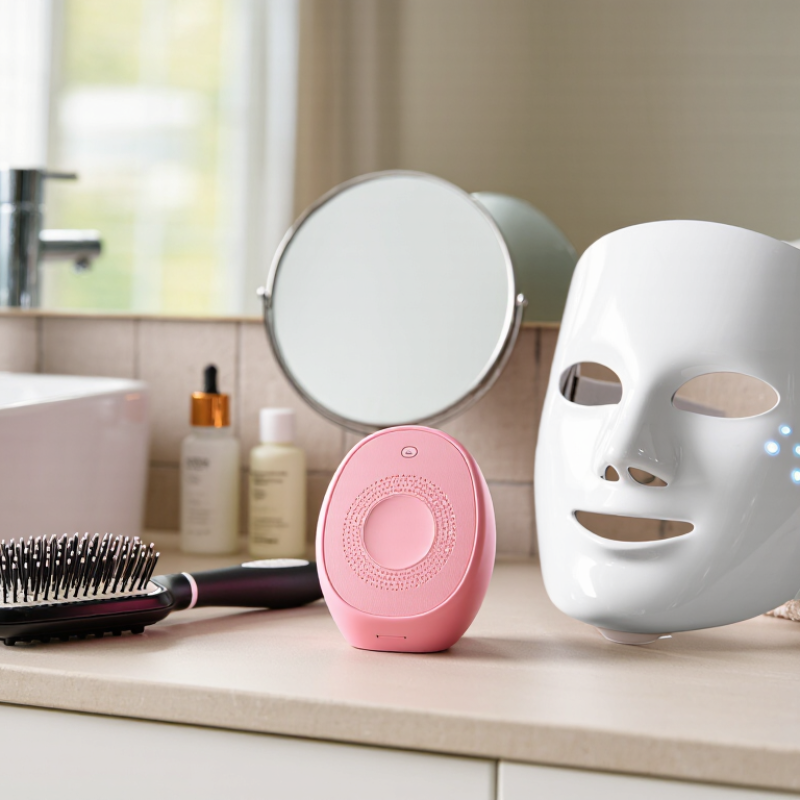
Defining the Beauty Tools Industry and Its Main Product Categories
The beauty tools industry covers reusable and powered items that help people cleanse, apply products, shape hair, or groom. Unlike cosmetics, these tools do not mainly change appearance through ingredients. They support a routine through contact, movement, heat, or light. Small, but consequential. A silicone cleansing brush, for example, differs from a makeup sponge in both purpose and cleaning needs. Product categories often include skincare tools, makeup applicators, hair-styling devices, and grooming accessories.
Skincare tools range from facial rollers and extraction-free massage tools to cleansing brushes and light-based devices. Their functions vary, so broad claims about results deserve caution. Makeup tools include brushes, sponges, eyelash curlers, and sharpeners; material and shape can affect how evenly products apply. Hair tools include combs, brushes, dryers, straighteners, and curling devices. Grooming products may include tweezers, nail files, and electric trimmers. Some categories overlap. A heated brush, for instance, can serve both styling and brushing needs. Good evaluation looks beyond appearance: consider grip, temperature controls, washable parts, and clear care instructions. One detail is easily missed: a tool that touches skin needs regular cleaning, though not every design is simple to maintain. The category labels help shoppers compare, but they do not guarantee comfort or suitability for every user.
What Are the Top Trends in the Beauty Tools Industry? — Defining the Beauty Tools Industry and Its Main Product Categories
| Main Product Category | Typical Products | Primary Use | Common Technology or Design | Notable Industry Trend | Practical Considerations |
|---|---|---|---|---|---|
| Facial cleansing tools | Electric cleansing brushes, silicone cleansing devices, and sonic facial cleansers | Help loosen surface residue and support a cleansing routine | Manual or powered vibration; washable contact surfaces are common | More compact, rechargeable devices and simpler cleaning routines | Users should follow product instructions and clean or replace contact heads as directed |
| Facial toning and massage devices | Microcurrent devices, facial rollers, and vibrating massage tools | Provide facial massage or device-based cosmetic routines | Manual movement, vibration, or low-level electrical stimulation, depending on the device | Interest in at-home routines and devices with multiple operating modes | Electrical devices may have use restrictions; suitability depends on the instructions and individual circumstances |
| Light-based skincare devices | LED face masks and handheld light-therapy devices | Deliver selected bands of visible light to the skin as directed by the manufacturer | LED emitters, often with different light settings and protective-use instructions | More emphasis on clearly described settings, treatment schedules, and eye-safety guidance | Specifications and intended uses differ by device; follow the supplied safety instructions |
| Hair styling tools | Hair dryers, flat irons, curling irons, hot brushes, and multi-stylers | Dry, straighten, curl, or shape hair | Heated plates or barrels, airflow, and adjustable temperature or speed settings | Temperature control, interchangeable attachments, and tools designed for more than one styling task | Heat settings should be matched to the hair and styling task; tools should be used according to safety guidance |
| Hair removal devices | Electric shavers, epilators, and home-use intense pulsed light devices | Remove or reduce visible body hair through different methods | Rotating or oscillating cutters, mechanical tweezers, or light-based systems | Greater variety of cordless formats and attachments for different body areas | Methods have different usage requirements; light-based devices have skin-tone and other eligibility guidance |
| Manicure and pedicure tools | Nail clippers, files, electric nail drills, and foot-care tools | Shape, smooth, and maintain nails and surrounding skin | Manual implements or powered rotating accessories with interchangeable bits | Compact home-use kits and organized sets for routine nail care | Tools that contact skin or nails should be kept clean and used gently to avoid injury |
| Makeup application tools | Brushes, sponges, eyelash curlers, and powered makeup brushes | Apply, blend, or shape makeup | Manual bristles or foam applicators; some powered brushes use vibration | Reusable applicators and tools designed for more precise application | Regular cleaning helps remove product residue; applicators should be replaced when worn or damaged |
| Beauty device accessories | Replacement heads, charging cables, storage cases, and cleaning accessories | Support the maintenance, storage, and continued use of beauty tools | Components designed for a specific device type or connection | More attention to replaceable components and care instructions over a product’s use period | Compatibility varies; users should check device specifications before selecting accessories |
FAQS
It includes reusable or powered tools for skincare, makeup, hairstyling, and grooming. Examples include cleansing brushes, sponges, dryers, tweezers, and trimmers.
Tools support routines through contact, movement, heat, or light. They do not mainly change appearance through ingredients.
Check its intended use, grip, washable parts, and care instructions. Different tools serve different purposes, so broad result claims deserve caution.
Tools that touch skin need regular cleaning. Some designs are harder to maintain than others. Small details matter.
Look for temperature controls, durable cords, clear instructions, and visible warnings. A polished product page alone does not prove safety.
Compare claims with independent testing details when available. Short videos can make results look more certain than they are.
Look for clear photos, plain-language instructions, credible reviews, and responsive support. Check whether replacement parts are available, too.
In-store demonstrations can show a tool’s grip, weight, cleaning steps, and heat settings. Online, clear warnings and return policies matter. I might still overlook a care detail, so it helps to check twice.
Conclusion
The beauty tools industry includes products such as cleansing brushes, facial rollers, hair-styling devices, and at-home skincare tools. Several forces are changing how these products are designed and used. Smart technology is adding features such as adjustable settings, sensors, and connected guidance, while sustainable materials and durable designs are gaining attention as consumers look for ways to reduce waste.
Personalization is also shaping at-home beauty devices, with tools designed to suit different routines, preferences, and needs. At the same time, clear safety standards and dependable product information help build consumer confidence. Retail channels, including online and in-store shopping, influence how people discover, compare, and purchase these tools. Together, these developments answer the question of what trends are shaping the beauty tools industry: smarter functionality, sustainability, tailored experiences, and greater emphasis on safety and accessibility.
