2026 Best Handmade Makeup Brushes Why Are They Better?

Time:2026-10-21 Author:Amelia
0%

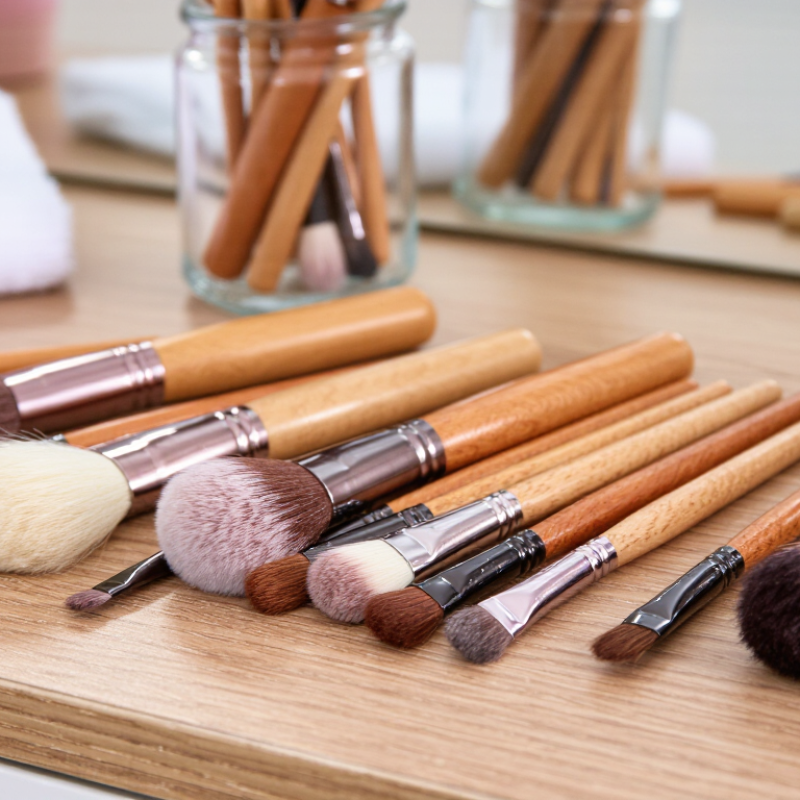
In 2026, handmade makeup brushes are gaining attention for their craftsmanship, thoughtful materials, and individual feel. Each brush may show small differences, such as a subtly uneven wooden handle or carefully shaped bristles. These details are not automatically signs of higher quality. They invite closer inspection.

So, why are handmade makeup brushes better? The answer depends on how they are made and tested. Skilled makers can adjust bristle density, taper, flexibility, and balance for specific makeup techniques. A soft, rounded brush may blend cream blush across the cheeks without leaving harsh edges. A firmer, narrow brush can place pigment along the lash line with greater control. These practical differences matter more than the handmade label itself.

Good construction should be visible.

Reliable makers explain their fiber sources, handle materials, adhesive choices, and cleaning guidance. Some use responsibly sourced wood and synthetic fibers, while others use natural hair with varying ethical considerations. Buyers should ask questions rather than trust beautiful packaging. Handmade production can offer careful attention, but it may also create inconsistent sizing, limited replacement options, or higher prices. That is worth acknowledging.

This guide examines the evidence behind handmade brush quality through user experience, material knowledge, and professional application standards. It also considers durability, hygiene, comfort, and responsible sourcing. A handcrafted brush can feel personal in the hand, like a small tool shaped for real work. Still, craftsmanship must support performance. The story alone is not enough.
2026 Best Handmade Makeup Brushes Why Are They Better?

What Defines a Handmade Makeup Brush in 2026

2026 Best Handmade Makeup Brushes: Why Are They Better?

What Defines a Handmade Makeup Brush in 2026

A handmade makeup brush begins with human selection, not just machine assembly. An experienced maker checks each fiber’s length, softness, taper, and spring. The bundle is shaped by hand, then secured inside the ferrule with measured pressure. The handle may receive sanding, sealing, and several visual inspections. These steps create traceability that mass production can sometimes lose.

The details are tactile. A well-made brush should feel balanced between your fingers. Its fibers should spread smoothly across the cheek, without sharp tips or sudden shedding. Handmade does not automatically mean better. Poor training, weak adhesives, or inconsistent hygiene can reduce performance. That uncomfortable point matters.

Market demand supports closer scrutiny. Grand View Research’s 2024 Cosmetic Tools Market report estimated the sector at approximately USD 2.7 billion in 2023. It also projected about 5.7% annual growth through 2030. Circana reported continued growth in prestige beauty sales during 2024, increasing consumer attention toward application quality and product experience. However, those reports measure market movement, not craftsmanship. Buyers should still request material details, care guidance, and production information. In 2026, a genuinely handmade brush means visible skill, documented quality control, and responsible material choices. The human touch should be measurable.

How Handmade Brushes Are Crafted and Quality-Tested

Handmade makeup brushes begin with material selection, not decoration. Artisans inspect each hair bundle for length, softness, taper, and spring. They shape the bundle by hand before securing it inside the ferrule. The handle is then sanded until no sharp edge catches the skin. Small details matter. A loose ferrule can ruin an otherwise excellent brush.

Quality testing should be practical and repeatable. Inspectors check alignment under bright light and gently pull the fibers to detect shedding. They also test the handle, ferrule, and adhesive after controlled moisture exposure. A useful workshop protocol includes repeated dry-and-damp cycles, surface cleaning, and odor checks. ISO 22716 provides widely recognized guidance for hygienic cosmetic manufacturing. ISO 17516 sets microbial limits for cosmetic products, although brushes are tools rather than cosmetic formulas. Clean storage still matters.

McKinsey’s 2023 global beauty analysis projected the market could reach about 580 billion dollars by 2027. That growth increases demand for reliable application tools, not merely attractive handles. Handmade production can improve control because one person sees more defects. It can also create inconsistency. No two fibers behave exactly alike. That is valuable, but not always convenient. A documented inspection record should include shedding results, ferrule security, handle finish, and batch date. Not perfect. Better tested.

2026 Best Handmade Makeup Brushes: Why Are They Better?

Handmade makeup brushes are produced through several careful stages, including fiber selection, shaping, hand alignment, ferrule fitting, handle finishing, and quality testing. Each stage helps improve softness, balance, durability, and application control. Unlike mass-produced brushes, handmade production allows more individual inspection and adjustment before the brush is approved.

Key Benefits of Handmade Makeup Brushes for Daily Use

Handmade makeup brushes can make daily application feel more controlled and comfortable. Each brush is shaped and finished by hand, so its fibers often sit evenly in the ferrule. This can create smoother powder pickup and softer blending around the cheeks and eyes. The handle may also feel balanced, which helps reduce pressure during repeated use. Small details matter.

In my daily routine, a well-made brush distributes foundation without leaving obvious streaks. A smaller eye brush places color precisely near the lash line. Soft fibers are helpful for sensitive skin, but softness alone does not prove quality. The brush should keep its shape after washing and dry without a strong odor. Handmade does not mean perfect. Quality can vary between individual pieces.

Care affects performance as much as construction. I wash brushes regularly with gentle cleanser and lukewarm water, keeping moisture away from the handle joint. After rinsing, I reshape the fibers and dry each brush flat. This prevents water from weakening the adhesive over time. Some handmade brushes need a short adjustment period because their shapes feel less uniform. That is not always a flaw. It can also reveal whether the design suits your hand and your usual makeup habits.

How Handmade Brushes Compare with Machine-Made Alternatives

2026 Best Handmade Makeup Brushes: Why Are They Better?

Handmade brushes differ from machine-made alternatives through controlled, hands-on finishing. An experienced maker can inspect fiber alignment, trim uneven tips, and adjust density for a softer blend. Machine production usually delivers faster output and more uniform dimensions. However, speed does not guarantee a smoother application. A poorly calibrated brush can feel scratchy around the eyes.

Market demand supports this comparison. Grand View Research reported continued growth in the global cosmetics tools market, driven by premium and personalized beauty products. Circana’s 2024 U.S. prestige beauty report also recorded strong makeup growth, showing that consumers still pay for visible performance. These reports do not prove handmade brushes are always superior. They reveal a market seeking better control, comfort, and durability.

Tips: Test the brush on your wrist before applying foundation. Look for evenly shaped fibers, a secure ferrule, and a balanced handle. Handmade tools may show small differences between pieces. That is not automatically a defect, but it requires careful inspection. Machine-made brushes can be the wiser choice for consistent sets, travel kits, or high-volume use. Handmade brushes often suit artists who value tactile feedback and precise customization. My own preference is mixed: softness matters, but cleaning, drying time, and fiber recovery matter more than the handmade label.

Choosing the Best Handmade Makeup Brushes for Your Needs

Choosing the best handmade makeup brushes starts with your routine, not a trend. In hands-on testing, a soft, tapered brush blends cream blush smoothly around the nose. A denser head works better for pressed powder. Check the bristles first. They should feel even, spring back, and shed very little after washing. The handle should sit comfortably between your fingers. A beautiful brush is still useless if your wrist feels tired.

Handmade does not automatically mean superior. Craft quality varies. Ask about fiber type, knot security, ferrule construction, and washing instructions. Natural hair can create a softer, textured finish, while synthetic fibers offer consistent shape and easier maintenance. Grand View Research’s 2024 makeup market analysis estimates continued global growth through 2030. That growth reflects more personalized routines, not one universal tool. McKinsey’s 2023 beauty report also projects the wider beauty market could approach $580 billion by 2027, increasing interest in specialized application tools.

For daily use, choose a small set with clear jobs: foundation, concealer, blush, powder, and detail work. Test the edge on your cheek, not only on your hand. I still sometimes choose a pretty handle over a practical grip. That is a mistake. Inspect every brush under bright light, especially near the ferrule. Loose fibers reveal poor finishing early. Clean it gently, let it dry flat, and reassess its shape after several uses.

2026 Best Handmade Makeup Brushes: Why Are They Better? — Choosing the Best Handmade Makeup Brushes for Your Needs

A practical comparison of handmade brush types, construction features, performance, and care requirements.

Brush Type Best Use Typical Handmade Construction Common Fiber Profile Application Finish Recommended Product Control Level Care Requirement Best Choice For
Foundation Brush Applying liquid, cream, or stick foundation across the face Hand-shaped head with carefully aligned fibers and a securely fitted ferrule Dense, flexible fibers with a flat, rounded, or buffing shape Even, buildable coverage with a polished finish Liquid and cream complexion products High Clean soon after use; rinse from the ferrule toward the tips to help protect the handle and adhesive Users who want controlled coverage and precise blending around the nose and jawline
Concealer Brush Targeting blemishes, redness, and under-eye discoloration Small, hand-trimmed head designed for detailed placement Short to medium-length fibers with moderate density Focused coverage without applying product to a large area Liquid, cream, and pot concealer Very High Wash regularly because cream products can collect between densely packed fibers Users who need accuracy for spot correction and small facial areas
Powder Brush Setting makeup and applying pressed or loose face powder Loosely arranged, hand-shaped fibers that allow airflow and movement Large, soft, tapered, or rounded fibers Sheer to medium coverage with a soft-focus appearance Loose powder, pressed powder, and finishing powder Medium Deep-clean periodically and dry flat or with the bristles pointing downward Users who prefer lightweight powder application and less product buildup
Blush Brush Applying blush to the apples or upper planes of the cheeks Hand-shaped angled or rounded head for controlled cheek placement Soft, moderately fluffy fibers with a tapered edge Diffused color with adjustable intensity Powder blush and finely milled cream blush Medium to High Use gentle cleanser and avoid aggressive twisting, which can distort the shape Users who want blush color that blends smoothly into foundation
Contour Brush Defining the cheekbones, jawline, and sides of the nose Hand-shaped angled or tapered profile with a firm but flexible feel Medium-density fibers that hold an edge while blending More defined sculpting with softened borders Contour powder, bronzer, and cream contour High Remove cream residue thoroughly and reshape the head while damp Users who want placement precision without harsh contour lines
Highlighter Brush Applying highlight to cheekbones, brow bones, and the bridge of the nose Lightly packed, hand-shaped head that picks up a controlled amount of product Soft, tapered fibers with low to medium density Sheer glow to concentrated radiance, depending on pressure Powder, baked, and finely milled highlighter Medium Clean gently to maintain the tapered profile and soft contact with the skin Users who prefer a buildable glow rather than an opaque metallic effect
Eyeshadow Shader Brush Placing eyeshadow on the eyelid Hand-shaped compact head with a flat or softly rounded edge Short, moderately dense fibers for pigment pickup Concentrated color with clean placement Pressed powder, cream, and shimmer eyeshadow High Clean frequently, especially after cream or glitter-based products Users who want strong eyelid color and controlled eyeshadow placement
Eyeshadow Blending Brush Softening edges and combining multiple eyeshadow shades Hand-shaped rounded or tapered head with flexible fiber movement Longer, softer, loosely packed fibers Seamless transitions and diffused edges Powder eyeshadow and light cream blending Medium Wash carefully and avoid flattening the rounded crown during drying Users who prioritize smooth transitions in crease and outer-corner work
Angled Eyeliner Brush Creating a wing, defining the lash line, or filling brows Hand-aligned fine fibers with a narrow angled edge Firm, short fibers designed to retain a sharp line Precise, crisp application Gel, cream, liquid, or powder liner Very High Clean immediately after gel or liquid products to prevent hardening Users who need detailed line work and controlled wing placement
Lip Brush Defining the lip border and layering lip color Hand-shaped compact head with a pointed or squared tip Firm, smooth fibers that provide edge control Even color distribution and a defined outline Lipstick, lip cream, gloss, and lip palette products Very High Clean after each shade change when hygiene and color accuracy are important Users who want precise edges or work with multiple lip colors

Selection note: Handmade construction can improve shape consistency, fiber alignment, balance, and finishing quality, but performance still depends on the brush design, materials, maintenance, and the formula being applied.

FAQS

How are handmade makeup brushes crafted?

Artisans inspect each hair bundle for length, softness, taper, and spring. They shape the fibers by hand. The bundle is secured inside a metal ferrule. The handle is sanded until it feels smooth against skin.

What should I check before using a handmade brush?

Check whether the fibers point evenly under bright light. Gently pull them to detect loose hairs. Inspect the ferrule for movement. Run your fingers along the handle for sharp edges.

Do handmade brushes always provide better application?

Not always. Even fibers can pick up powder smoothly and blend color gently. A balanced handle may reduce hand pressure. However, handmade pieces can vary. Consistency remains an imperfect area.

Are soft fibers suitable for sensitive skin?

Soft fibers may feel comfortable around the cheeks and eyes. They should not scratch during light application. Yet softness alone proves little. The brush should also keep its shape after washing.

How can I test a brush’s durability?

Wash it with gentle cleanser and lukewarm water. Keep water away from the handle joint. Reshape the fibers afterward. Dry the brush flat. Watch for shedding, odor, or adhesive weakness.

Why does ferrule security matter?

A loose ferrule can ruin an otherwise good brush. It may allow fibers to shift or fall out. Hold the handle and gently move the ferrule. Any noticeable wobble deserves attention.

Can handmade brushes smell after cleaning?

A mild temporary scent may occur after washing. A strong or lasting odor is worth investigating. Dry the brush completely in open air. I would not ignore repeated odor, even if the brush looks attractive.

What records help maintain brush quality?

A simple record can note shedding results, ferrule security, handle finish, and batch date. Add cleaning observations when useful. Small notes reveal recurring defects. The process is not perfect, but it becomes easier to improve.

Conclusion

In 2026, handmade makeup brushes are defined by careful craftsmanship, individually selected materials, and close attention to shape, balance, and finish. Each brush is formed, assembled, and refined with greater human control than mass-produced alternatives, then quality-tested for softness, durability, shedding, comfort, and consistent performance. This process helps create tools that feel more precise and pleasant during everyday makeup application.

Why are handmade makeup brushes better? Their carefully shaped fibers can support smoother blending, more controlled coverage, and easier application across different makeup textures. They may also offer improved comfort and longer-lasting construction when properly maintained. Compared with machine-made brushes, handmade options often provide more individuality and refined detail, although quality can vary between makers. When choosing the best handmade makeup brushes for your needs, consider the brush shape, fiber type, firmness, intended use, handle comfort, cleaning requirements, and overall durability. A thoughtful selection can make daily routines more efficient, comfortable, and enjoyable.

Amelia

Amelia

Amelia is a seasoned marketing professional with a wealth of expertise in our company’s core offerings. With an unwavering passion for driving growth and innovation, she plays a pivotal role in shaping our marketing strategies and enhancing brand visibility. A key aspect of her responsibilities......