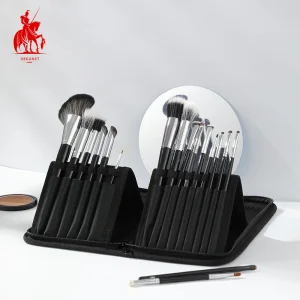
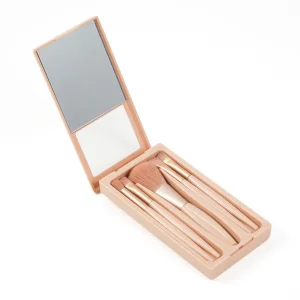
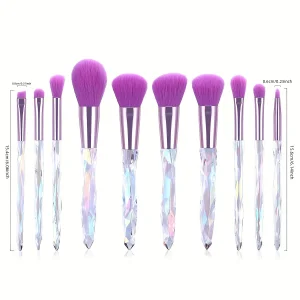
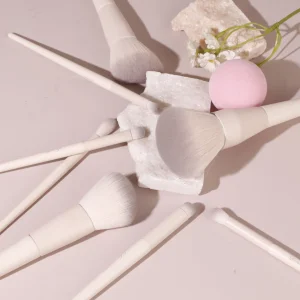
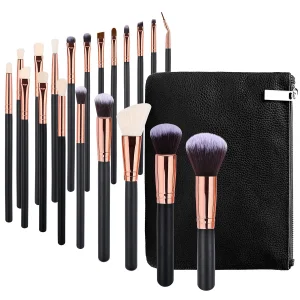
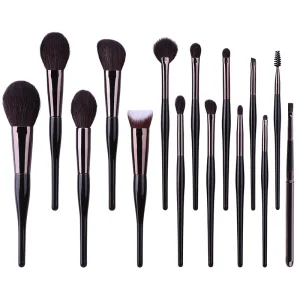
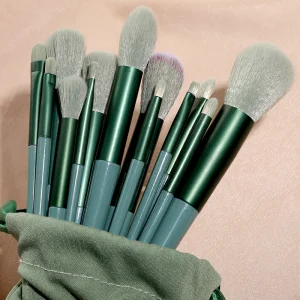
Premium Cosmetic Brush Series & Applicators
Explore our flagship, highly customized professional beauty tool lines engineered to optimize makeup formulas and maximize skin finish efficiency.
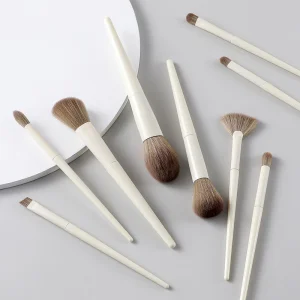
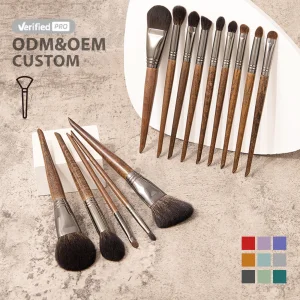
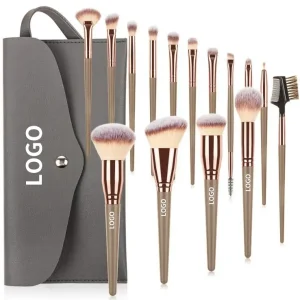
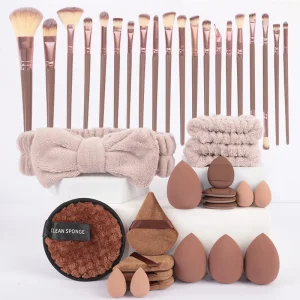
The Industrial & Commercial Status of Silicone Sponge Applicators
In the rapidly transforming global beauty and personal care landscape, material science innovations are continually altering application methodologies. The Silicone Sponge Applicator (historically popularized as the "Silisponge") represents a major paradigm shift away from traditional open-cell polyurethane, NBR (Nitrile Butadiene Rubber), and natural latex sponges. Originally formulated to address product wastage, these non-porous applicators are constructed from high-grade silicone elastomers encapsulated in a highly durable, flexible Thermoplastic Polyurethane (TPU) outer membrane.
Commercially, the product has evolved from a niche novelty into an essential component of professional makeup artist kits and standard consumer cosmetics routines. The global beauty industry recognizes that traditional porous sponges absorb between 30% to 50% of liquid and cream formulations. By contrast, a silicone sponge applicator features a completely impermeable surface, ensuring a 100% transfer rate of the product to the epidermis. This zero-absorption profile offers immediate financial benefits to consumers utilizing luxury cosmetic formulas, while simultaneously aligning with the green beauty sector's sustainability targets by reducing product packaging discard cycles.
Critical Polymer Insight
Modern silicone sponges utilize advanced cross-linked polydimethylsiloxane (PDMS) cores. This polymer structure maintains mechanical integrity under extreme flexural stress, ensuring consistent tactile response and pressure distribution during application.
Material Performance Index
Localized Application Scenarios Across Key Industries
Silicone sponge technology has bridged the gap between cosmetic utility and medical-grade hygiene across diverse global markets.
Professional HD Makeup & Cinema
In professional television, film, and theatrical production houses, high-definition (HD) and 4K/8K cameras detect even the microscopic texture overlays left by fibers of traditional sponges. Silicone applicators lay down cream foundations with absolute uniformity, leaving no particulate streaks, dust, or micro-lint behind.
Medical & Post-Procedure Skin Care
Dermatology clinics and plastic surgery centers utilize sterilized silicone applicators to apply topical ointments, reconstructive gels, and post-laser skin treatments. Because the silicone material can be fully sanitized with isopropyl alcohol or mild autoclaving, it prevents cross-contamination and micro-abrasions on compromised skin.
Luxury Brand Merchandising & Retail
In department stores and beauty boutiques, testers are a notorious vector for pathogens. Retailers use customized silicone applicators at makeup testing counters, allowing multiple customers to test liquid products hygienically. The surface is instantly wiped clean, sterilized, and reused in front of the customer.
Supply Chain Efficiency Metrics
-
01
Advanced Automation
LSR injection molding reduces cycle time by 45% compared to manual molding.
-
02
Integrated Tooling
In-house mold design speeds up prototyping from months to just 7 days.
-
03
Logistics Ecosystem
Guangdong hubs facilitate immediate access to high-purity silicon feedstock.
The Structural Advantage of Chinese Manufacturing Hubs
When analyzing global procurement strategies, China remains the undisputed leader in silicone beauty tool manufacturing, primarily due to localized geographic concentration. The Pearl River Delta cluster (Guangzhou, Shenzhen, Dongguan) has established a highly integrated supply chain network. Raw polymer chemical compounding plants, precision tooling design houses, LSR (Liquid Silicone Rubber) injection facilities, and customized packaging printers operate within close geographic proximity.
For B2B buyers, this proximity translates into unparalleled speed-to-market. A change in product geometry, such as transitioning from a standard teardrop shape to a leaf shape, requires new mold design. In European or North American facilities, tooling modification can take up to 6–8 weeks with high upfront costs. In China's specialized industrial parks, CNC-machined prototype molds are finalized and running trial samples in less than 72 hours, dropping tooling costs by up to 70%.
Furthermore, automation plays a pivotal role. The deployment of high-cavity automatic injection systems guarantees structural conformity across millions of units. This technological consistency ensures that each batch maintains the precise tactile stiffness, outer polyurethane film seal strength, and aesthetic clarity specified in the client's Technical Data Sheets (TDS).
Global Sourcing Standards & OEM Customization Criteria
Navigating quality parameters and regulatory compliances when partnering with Chinese cosmetic manufacturers.
Experienced procurement teams must focus on the underlying material formulations and cleanroom processing capabilities. To guarantee skin safety, it is imperative to verify that the silicone core is free from residual organic catalysts or low-molecular-weight siloxanes, which can leech out over time and cause skin irritation. Leading manufacturers enforce a post-curing bake cycle of 4 hours at 200°C to ensure full degassing and chemical stabilization.
Furthermore, the outer film layer is of critical importance. Standard TPU film thickness ranges from 0.08mm to 0.15mm. If the film is too thin, the applicator risks premature splitting along the seams during heavy washing cycles; if too thick, it loses the hyper-flexible, soft texture required for blending around complex facial features, such as the nasal bridge and orbit area. High-performance OEM specifications require high-frequency ultrasonic welding at the seams to eliminate sharp or hard edges, providing a seamless surface that mimics the finger-blending experience.
Strategic Manufacturing: Guangzhou Kalt Beauty Co., Ltd.
Guangzhou Kalt Beauty Co., Ltd. is a professional China makeup brush set manufacturer specializing in the design, development, and production of high-quality cosmetic brushes and private label beauty tools. With years of experience in the beauty industry, Kalt Beauty is committed to providing innovative, stylish, and premium makeup accessories for global brands, wholesalers, distributors, and retailers.
Our extensive product portfolio includes makeup brush sets, foundation brushes, powder brushes, blush brushes, eye makeup brushes, kabuki brushes, travel brush kits, and various beauty tools. We offer a wide range of customization options, including brush shapes, handle materials, ferrule finishes, logo printing, packaging design, and private labeling services to help customers build distinctive beauty brands.
At Kalt Beauty, quality is at the core of everything we do. We carefully select premium synthetic and natural fibers to ensure superior softness, durability, and flawless makeup application. Our modern manufacturing facilities and strict quality control processes guarantee that every product meets international quality standards and customer expectations.
As a reliable OEM and ODM cosmetic brush factory in China, we provide one-stop solutions from product concept and sampling to mass production and global delivery. Our experienced R&D team continuously follows the latest beauty trends, enabling us to develop fashionable and market-oriented products for customers worldwide.
Driven by innovation, craftsmanship, and customer satisfaction, Guangzhou Kalt Beauty Co., Ltd. has established long-term partnerships with clients across North America, Europe, the Middle East, Southeast Asia, and other international markets. Kalt Beauty is dedicated to becoming your trusted partner for custom cosmetic brushes and private label beauty tools.
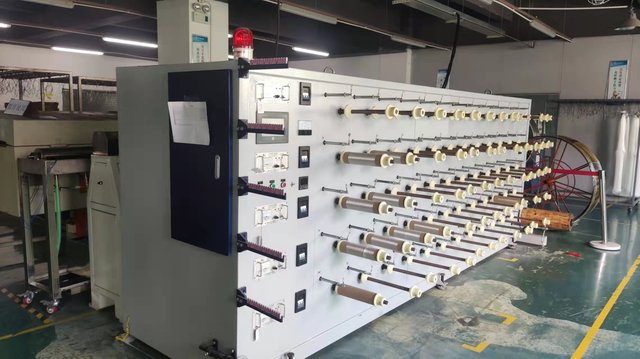
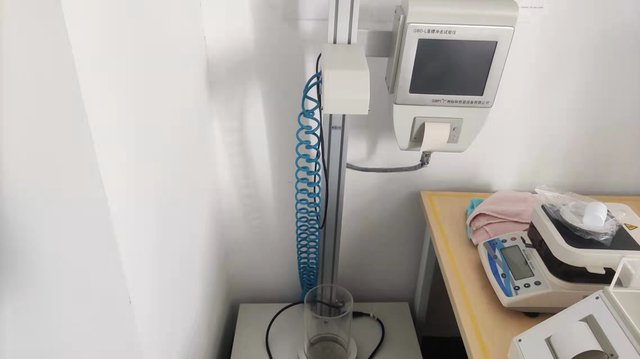
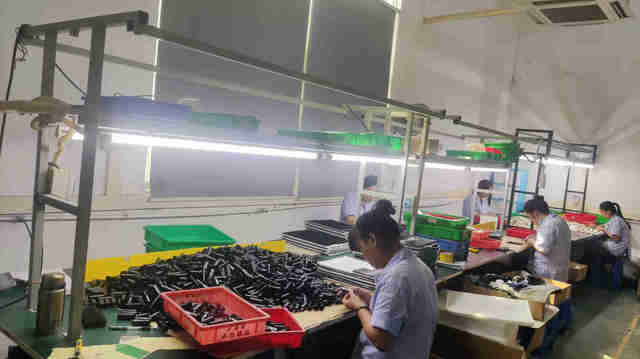
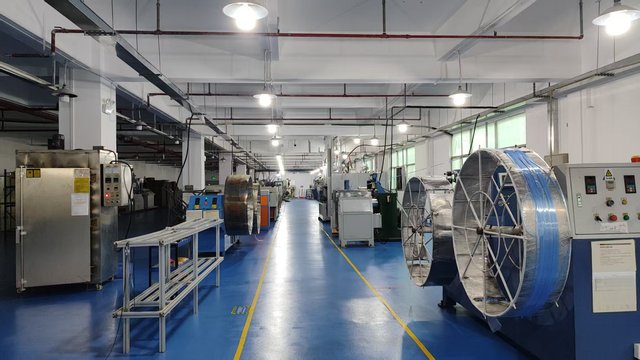
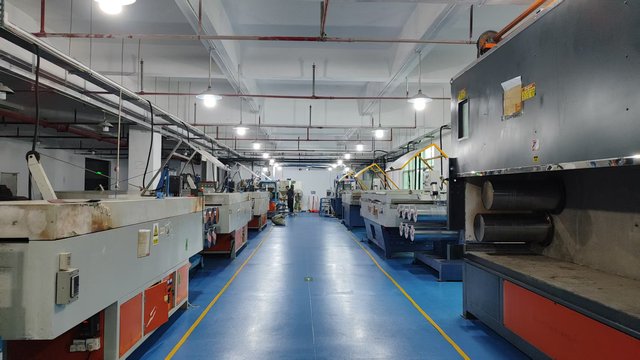
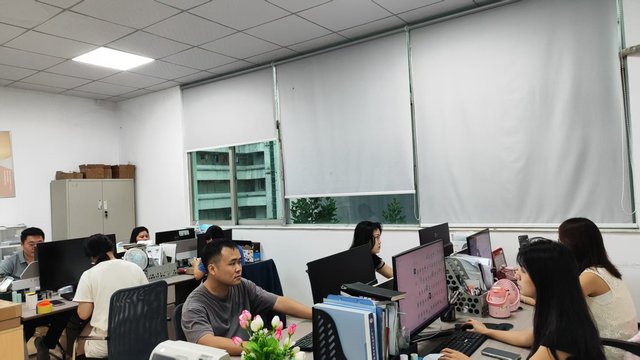
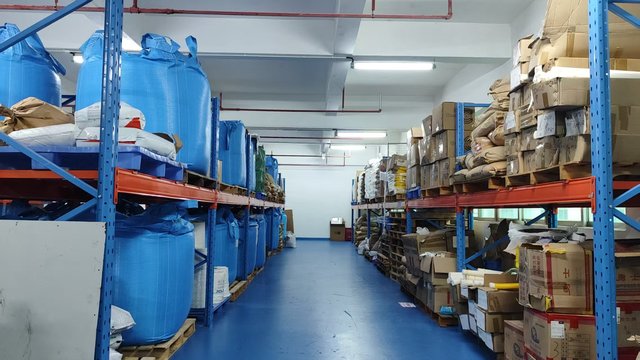
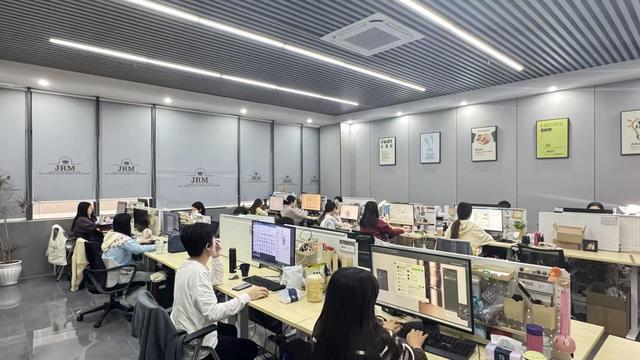
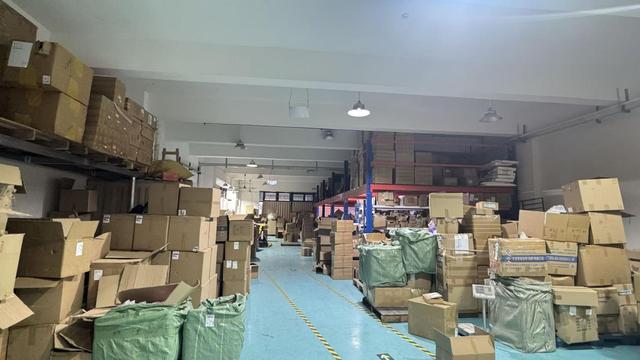
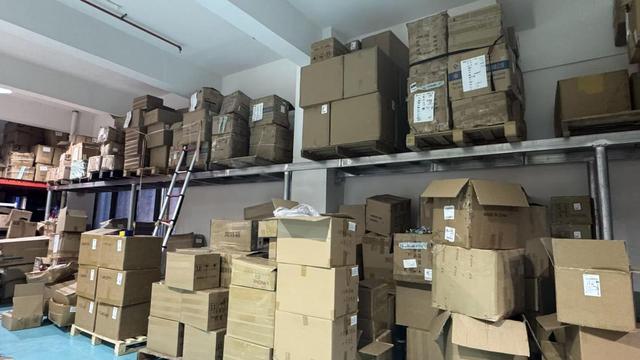
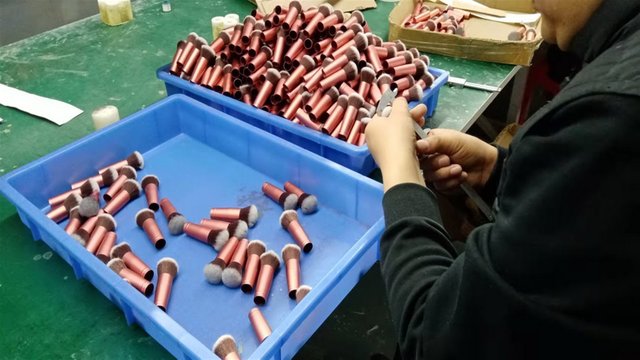
Production Facility & Product Testing Gallery
Technological Trajectory & Market Evolution
As sustainability regulations intensify globally—particularly across the European Union with the gradual phase-down of microplastics and single-use petroleum plastics—the cosmetic industry is investing heavily in alternative materials. R&D groups within China's top factories are exploring bio-based and plant-derived silicones. These materials replace petroleum-sourced monomers with plant-based alternatives, yielding a carbon-negative footprint without compromising physical flexibility or durability.
Another major trend is the development of Hybrid Micro-Flocked Silicone Applicators. Some consumers still prefer the sensory experience of a traditional brush or velvet sponge over the smooth feel of TPU. To address this, manufacturers apply a layer of electrostatically charged micro-velvet fibers to selected zones of the silicone applicator. This configuration provides the luxurious tactile sensation of a traditional flocked sponge while keeping the non-absorbent, easy-clean benefits of the silicone core.
Furthermore, ergonomics are shifting toward ergonomic 3D spatial designs. Manufacturers utilize software to model density, varying mechanical resistance across the applicator's body to optimize blending around delicate facial areas.
Next-Gen R&D Milestones
- Bio-Polymer Formulations: Synthesizing silicone elastomers from renewable plant resources.
- Electrostatic Micro-Flocking: Merging the soft touch of micro-fibers with an impermeable core.
- Dual-Durometer Molds: Dual-injection techniques for firmer handles and softer blending tips.
- Infused Antimicrobial Agents: Embedding silver ions inside the elastomer matrix during formulation.
Technical & Procurement FAQ
Deep insights addressing the quality, safety, and logistical queries of international buyers and brand managers.
Professional Cosmetic Organizer & Detailer Series
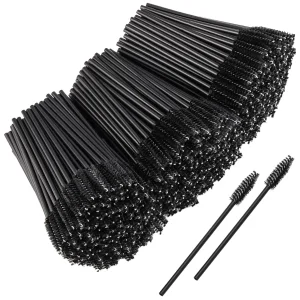
Optimized travel-friendly storage accessories, professional-grade synthetic fiber blends, and disposable lash tools designed for cosmetics professionals.